F.A.S.T Recovery Guidelines
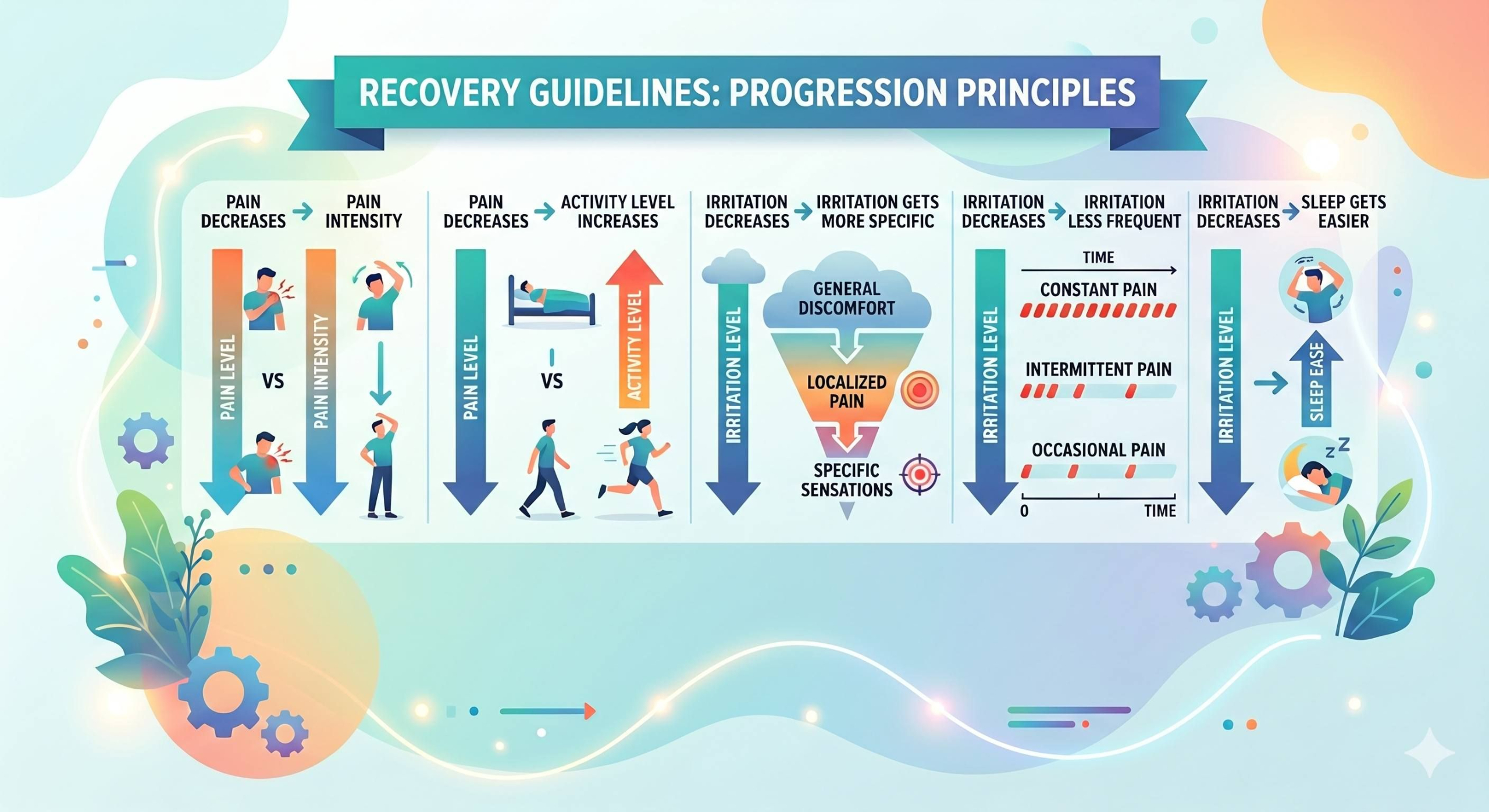
Irritation intensity decreases as the issue is resolved
As soon as the threat decreases, the intensity begins to drop and everything changes. Lower intensity means the "alarm" quietens down. This allows the nervous system to relax, blood flow to stabilize, and cellular inflammation to subside. Because the body is no longer wasting energy fighting an active fire, the physiological environment shifts from defense to repair.
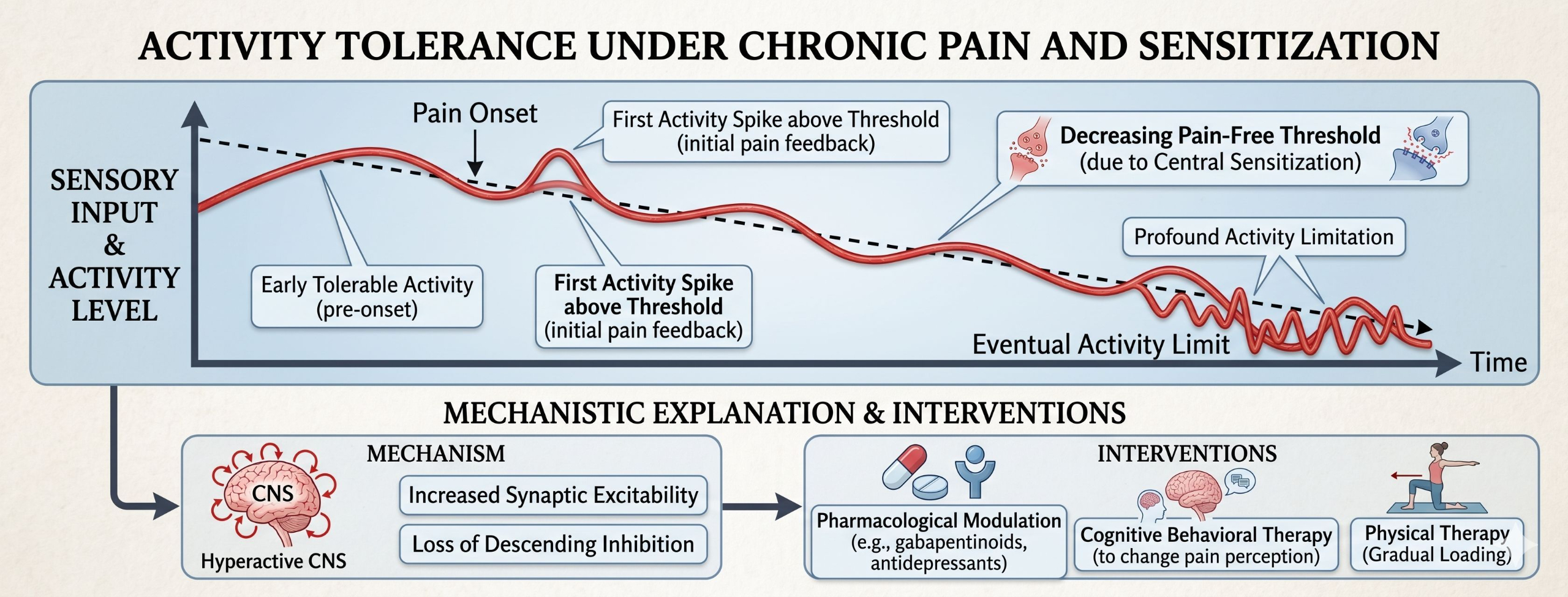
As this diagram illustrates, persistent pain reshapes how the nervous system responds. Over time, activity tolerance drops alongside the pain threshold—a process driven by increased sensitization (the nervous system becoming hyper-reactive) and decreased inhibition (the body's natural ability to damp down that excitability).
When working with clients, we can use this visual to reframe their recovery. Our goal is to systematically reverse this graph: first, by restoring optimal mechanics, and second, by progressively rebuilding their tolerance for activity. By educating clients on how the nervous system adapts, we can intentionally shift the conversation from a focus on managing pain to a focus on driving change. This simple mindset shift fundamentally transforms the dynamics of their recovery.
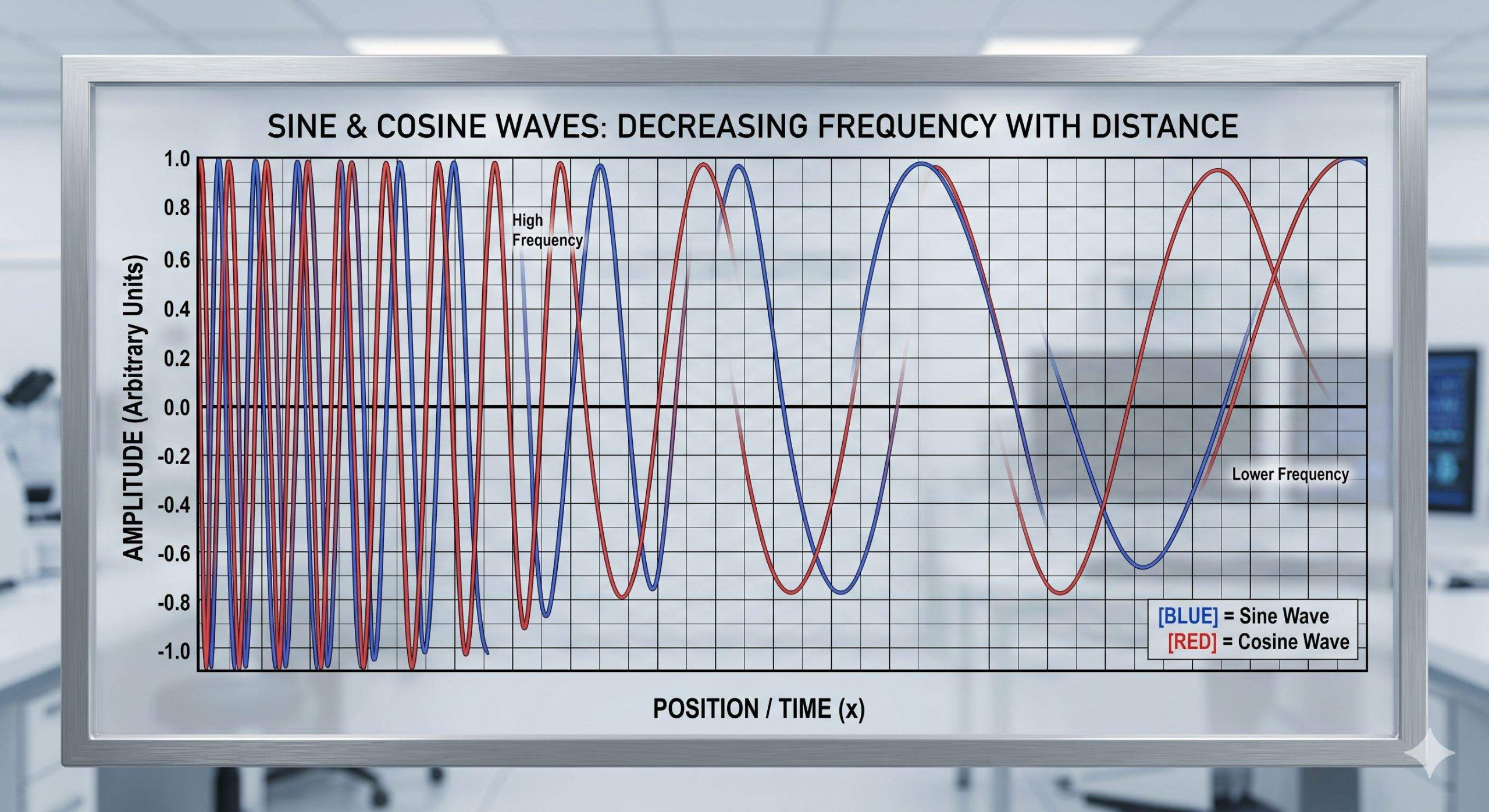
As an issue resolves, the frequency of irritation naturally decreases. I like to think of this in terms of energy waves: as activity tolerance climbs and sensitization drops, the client encounters that pain threshold less and less frequently.
If you follow the diagram from right to left, you can clearly trace this positive progression. Sharing this visual with clients is incredibly powerful. When they understand that flares will become fewer and farther between as the underlying mechanics improve, it directly alleviates their fear and anxiety. This psychological relief creates a beautiful neurological feedback loop—less anxiety means a further reduction in sensitization and a welcome boost to central inhibition.
Another key sign of healing is the localization of irritation. As the overall pain decreases, the affected area shrinks and becomes more specific.
It is important to remember—and to warn your clients—that as the pain consolidates into a smaller, highly specific spot, its intensity can temporarily spike. Fortunately, this is just a brief transitional phase, and giving clients a heads-up goes a long way in preventing panic. By tracking how the painful area is shrinking and shifting, you can steer the conversation away from the abstract dread of "pain" and toward the tangible evidence of "change." This objective, positive focus actively reduces threat perception, which ironically accelerates the physical recovery itself.

Naturally, as irritation decreases, activity levels will increase. This marks a pivotal turning point in client education: it allows you to shift the conversation toward what feels "normal."
By focusing on returning to daily activities, you help the client widen the gap between their current capabilities and their memory of past pain. Every step closer to normalcy reinforces safety in the nervous system, creating a positive momentum that allows recovery to incrementally—and sustainably—progress.

Make it a non-negotiable habit to discuss these recovery guidelines with your client before and after every treatment. Once you truly grasp the clinical power hidden within your communication, your outcomes will skyrocket. By intentionally choosing your words, you are leveraging pain science, therapeutic education, and threat perception to actively rewire the nervous system—all while you concurrently fix the physical mechanics.
As recovery evolves, make it a habit to phase out the word "pain" entirely. Instead, intentionally pivot the conversation toward what is being achieved. While you can occasionally compare their current function to the past to highlight progress, keep the focus on the present. Human beings are wired to forget past pain remarkably quickly; use this neurological amnesia to your advantage, and keep their eyes firmly fixed on their new, expanding reality.